On the afternoon of June 23, the "International Forum on Textile Trade Security and Advanced Equipment Innovation for Developing Countries" was held in the Chongzhen Hall of Jianquan Auditorium at WTU. Twenty participants from the "Seminar on Textile Import and Export Trade Security for Developing Countries" — representing eight nations — joined foreign experts from the university’s Innovation Base for Advanced Manufacturing of High-End Textile Equipment, along with faculty and students from the School of Mechanical Engineering. Together, they engaged in in-depth discussions on trade risks in the textile sector and cutting-edge equipment technologies.
Ms. Zou Manling, Deputy Director of the Office of International Affairs, opened the forum by outlining its background and significance. She noted that the global textile supply chain currently faces challenges from geopolitical shifts, technical barriers, and climate change. With its distinctive disciplinary strengths spanning fiber materials to smart manufacturing, the university is well positioned to help align advanced manufacturing technologies with the practical needs of developing countries. She emphasized that the forum aims to foster mutual learning between "Chinese solutions" and experiences from the Global South, contributing fresh ideas for building a safer and more inclusive textile trade ecosystem.
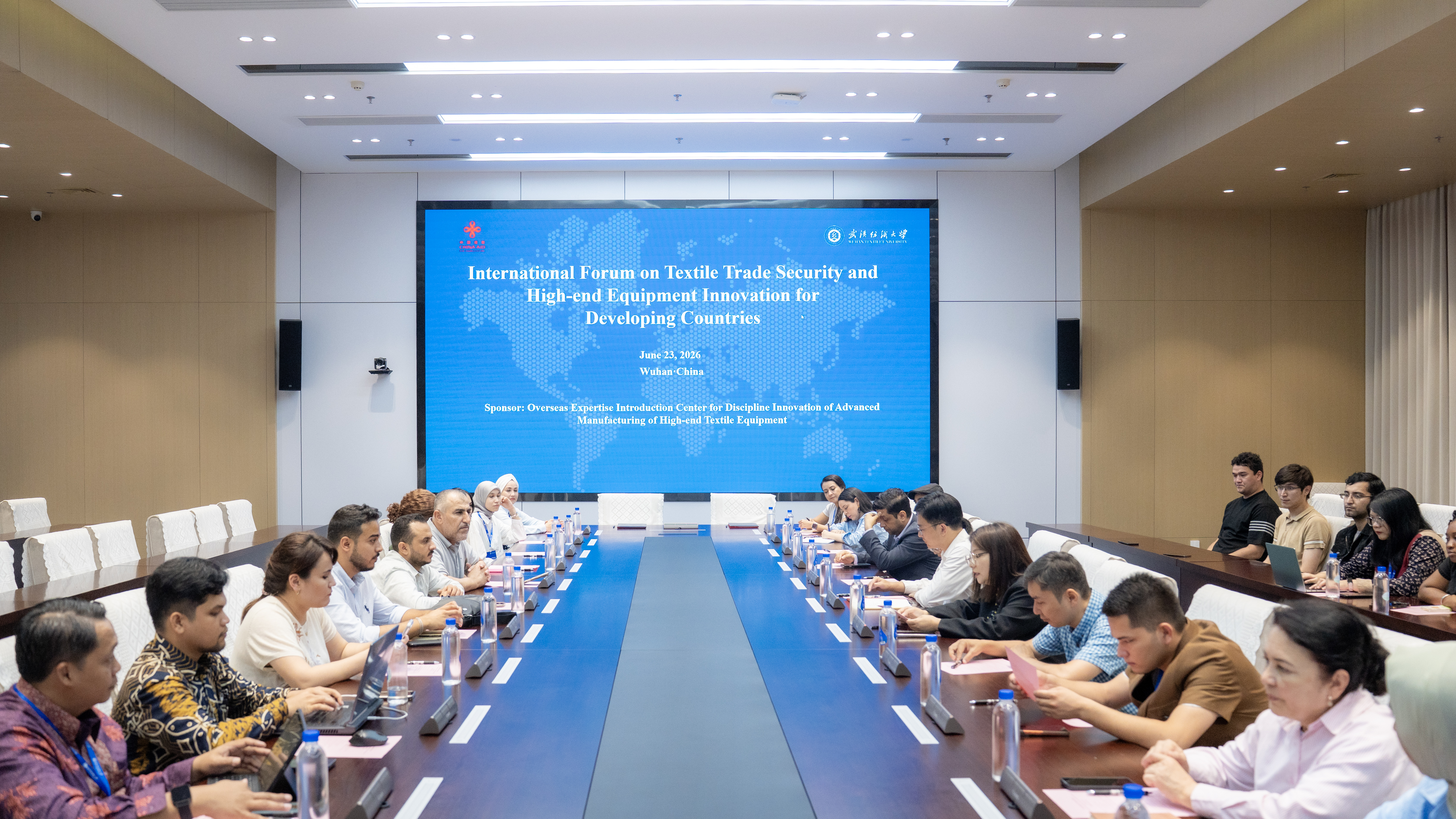
Professor Xu Qiao from the School of Mechanical Engineering then delivered an academic presentation titled "Key Technologies and Practices in Smart Manufacturing under the Dual-Carbon Strategy." She began by exploring the intrinsic link between the dual-carbon goals and manufacturing development, then analyzed the logic behind low-carbon transformation in the textile industry. She systematically introduced major technological breakthroughs in smart manufacturing, including energy efficiency optimization, digital twins, and green processes. Drawing on real-world cases from both domestic and international settings, she summarized valuable lessons in low-carbon intelligent textiles and offered practical recommendations on technology adaptation and policy support tailored to developing countries.
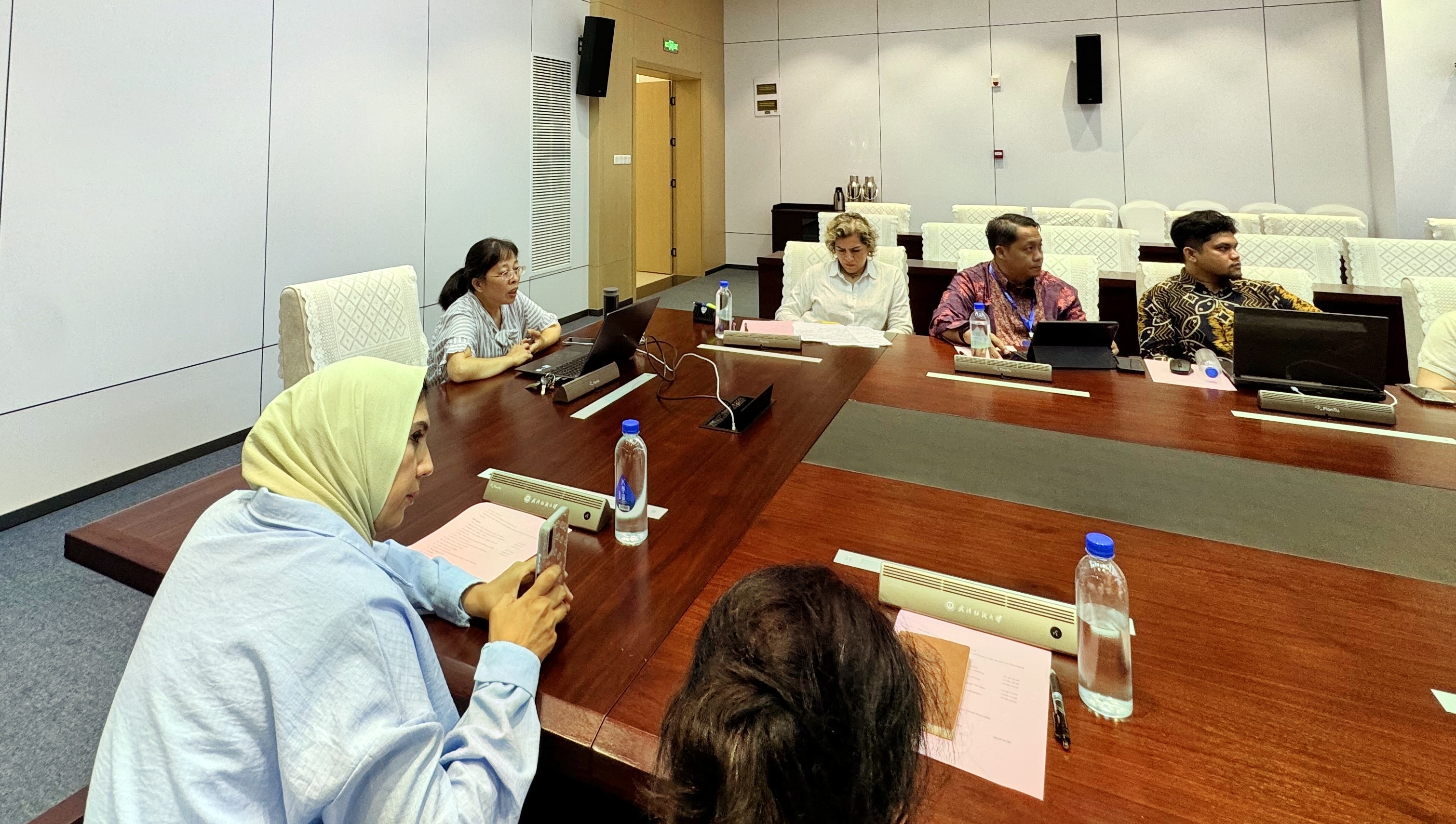
During the exchange session, representatives from Jordan — Mr. Hamza Alzyoud, Design Manager at Dabes Engineering Contracting Company; Mr. Issa Mohammad Mousa Alrabie, Logistics Manager at Century Chance Garment Manufacturing Co.; and Mr. Amro Mohammad Al Dahham, Logistics Manager at Jerash Garment & Fashion Manufacturing Co. — jointly presented an overview of Jordan’s textile trade and bilateral cooperation, expressing strong interest in learning from China’s smart manufacturing and supply chain optimization. Ms. Annelieser Warwood, a senior government official from Grenada, noted that her country’s textile sector relies heavily on imported raw materials and called for greater international support in technology transfer. Mr. Mohammad Rifki Abdi, Senior Policy Analyst for Industrial Affairs at Indonesia’s Ministry of State Secretariat, pointed out that Indonesia’s textile industry is undergoing rapid transformation and urgently needs to draw on China’s experience in smart equipment and related fields. University-affiliated international experts also shared their cutting-edge research: Pakistani Associate Professor Ali Shafqat introduced the application of metal-organic framework materials in microplastic remediation; Iranian Associate Professor Mohammad Hassan Hadizadeh explained molecular dynamics-based methods for predicting pollutant degradation pathways; and Russian Professor Mishigdorzhiyn Undrakh presented joint Sino-Russian outcomes in protective coatings, composite materials, and electrophysical modification of materials.
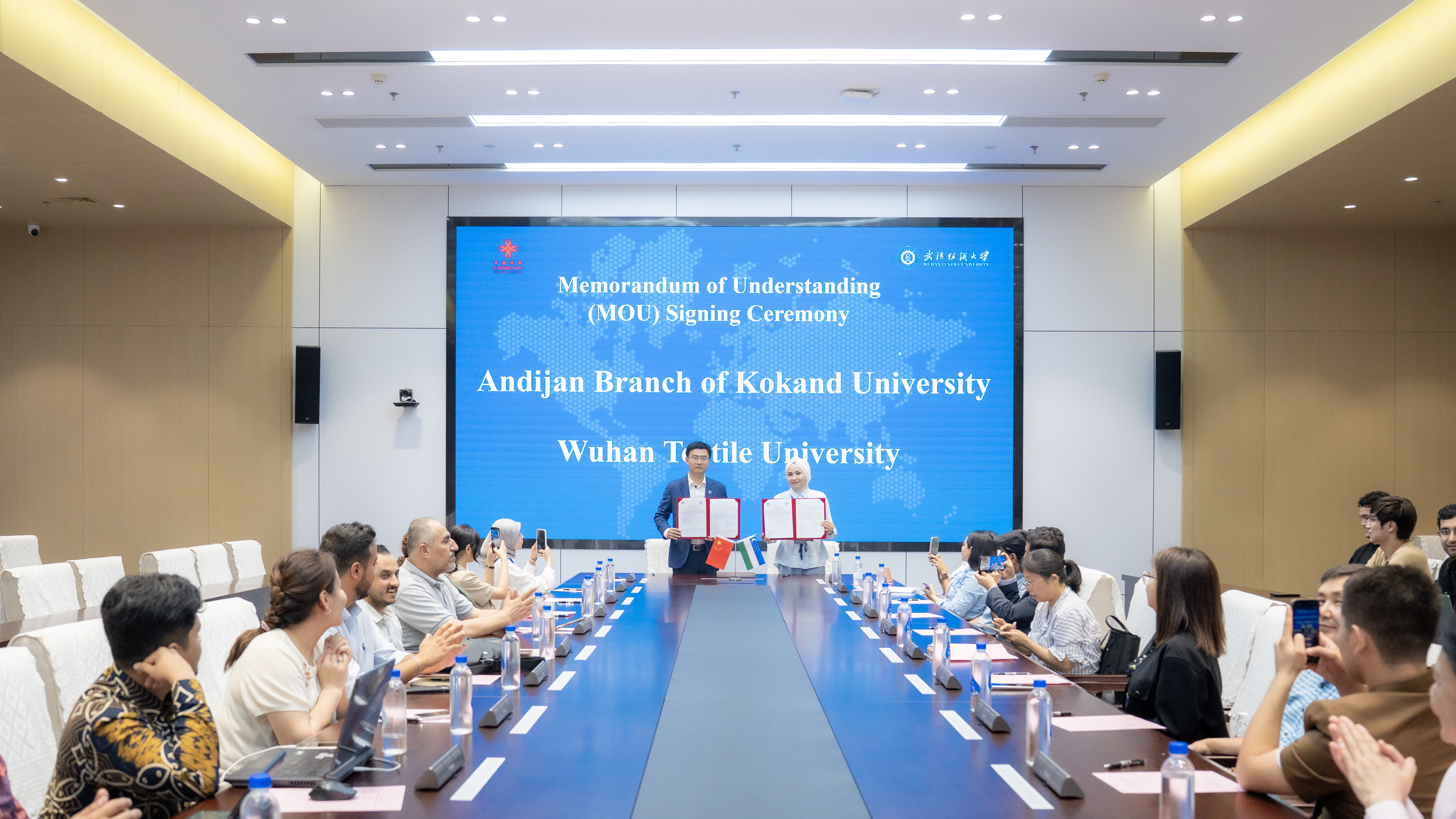
During the forum, the university officially established an inter-institutional partnership with Andijan Branch of Kokand University in Uzbekistan. Under the agreement, both sides will collaborate on joint talent cultivation, international academic exchanges, and industry-university-research initiatives, aiming to localize the university’s teaching and innovation outcomes in textiles along the Belt and Road countries.
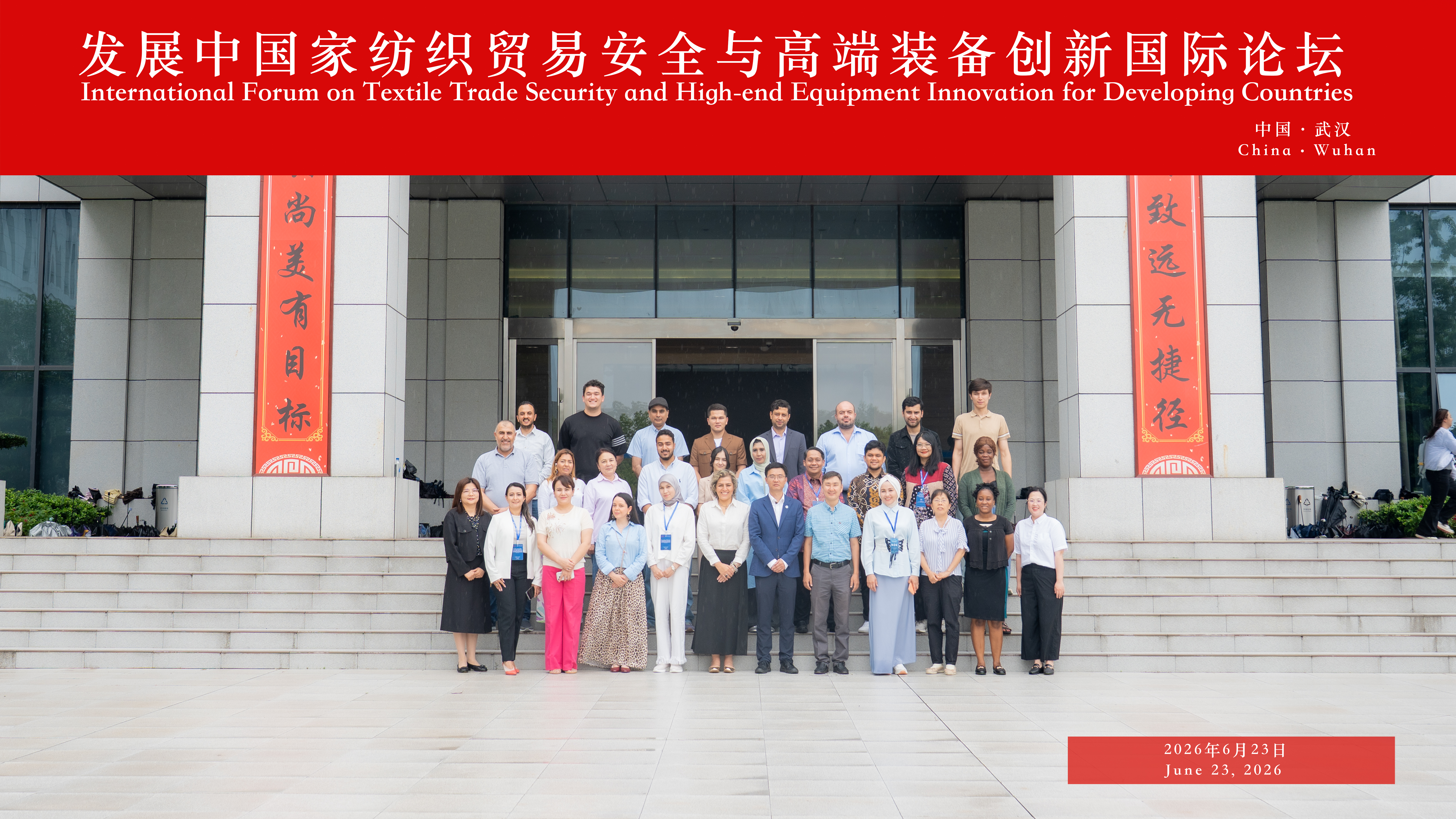
Mr. Ji Chen, Director of the International Office, commented that this forum is a key academic event organized under the WTU Innovation Base for Advanced Manufacturing of High-End Textile Equipment, addressing the transformation and upgrading needs of textile industries in developing countries. Since its approval in 2023, the base has focused on frontiers such as intelligent textile machinery, brought in a number of internationally renowned experts, and produced a series of innovative results. By bridging the base’s research strengths with the practical needs of the seminar participants, the forum not only showcased the WTU’s global leadership in textiles but also reflected a deeper shift in China’s aid philosophy — from simply providing assistance to empowering partners with knowledge and skills. This, he added, injects new momentum into building a more open and win-win global textile value chain.